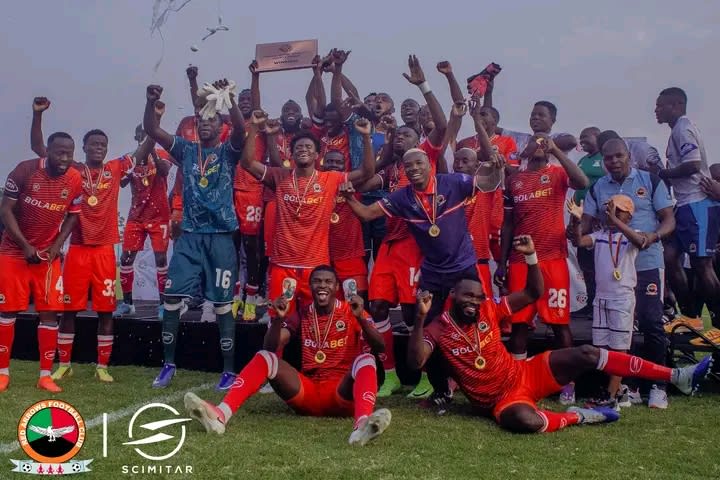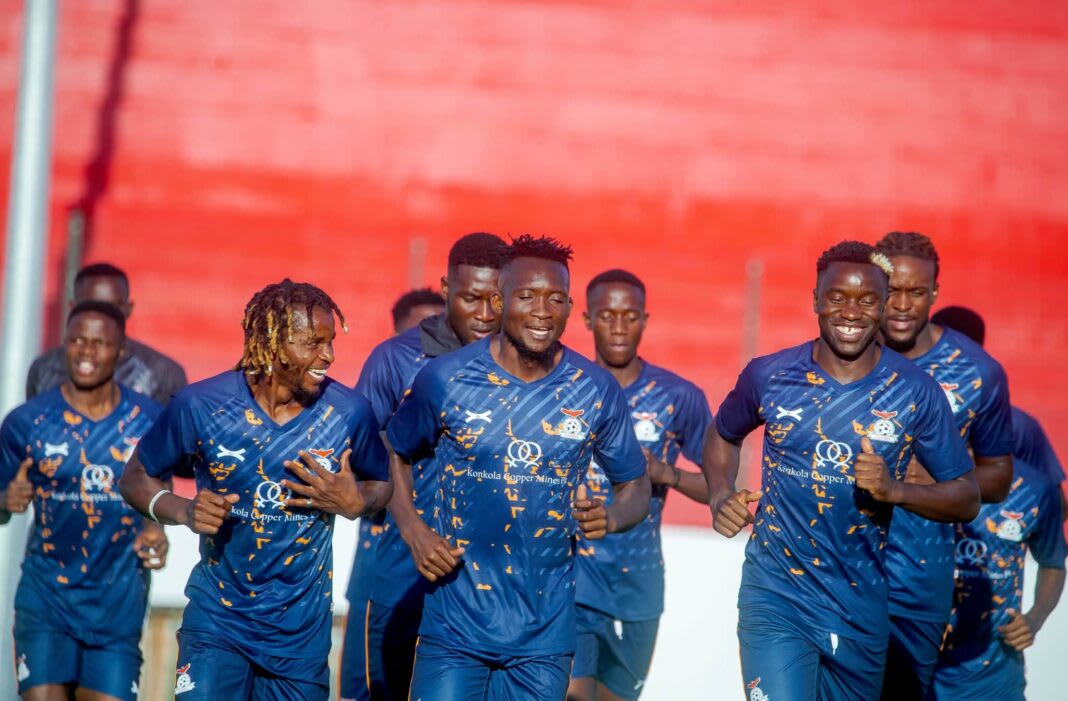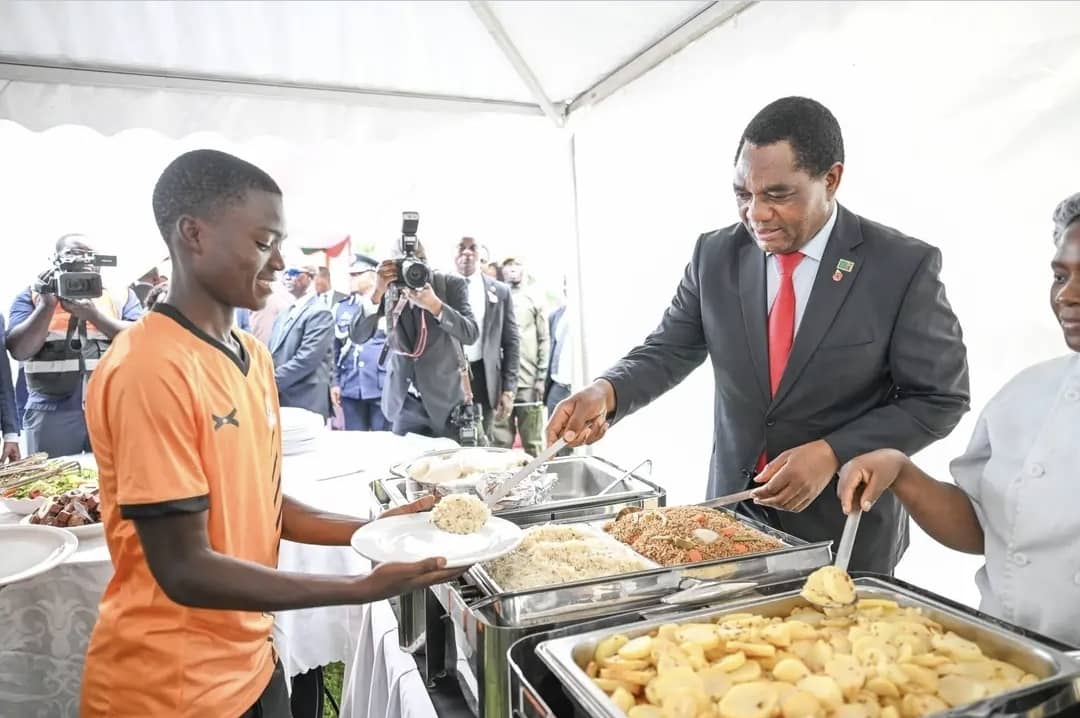
This afternoon, the Under-15 Youth World Cup Tier B Winners, Zambia, were hosted at State House by His Excellency, the Republican President, Mr. Hakainde Hichilema. This is precisely what I had hoped for, and I am thrilled by the remarkable achievement of the boys and the entire FAZ Technical Team. Congratulations, colleagues and friends. Well done.
Now, after the luncheon has been served and everyone disperses, what next? How can this exceptional performance and achievement of the Under-15s be systematically replicated? Is it possible to design a national program of action that draws from a deep pool of raw talent and potential—not just for football, but across multiple sports disciplines?
I propose a national strategic program to shift our mindset: moving from perceiving sport merely as a leisure activity to treating it as a high-yield economic sector that generates jobs, creates corporate opportunities, and significantly boosts our Gross Domestic Product (GDP). My proposal stems from my experience as a teacher heavily involved in youth sports and as a manager running a sports football academy.
The Economic Case for Sport
Sport is not just a game; it is a major global economic engine. The global sports industry generates an estimated $2.3 trillion annually, with direct core sports market revenues (ticketing, media rights, and sponsorships) exceeding $417 billion and projected to reach $602 billion by 2030. Furthermore, sports tourism accounts for $672 billion in global spending, while the global sporting goods and apparel sector contributes another $675 billion to global GDP and supports over 28 million jobs worldwide.
Beyond economics, sport unites people across social and cultural divides, provides hosting nations with strategic country-branding platforms, and promotes public health by sustaining an active, productive workforce.
To commercialize sports as an industry and capture a fraction of this global valuation for Zambia, we must focus on seven key pillars:
1. Strategic Plan & 25-Year Sports Policy
If we hope to excel across various sports disciplines, Zambia needs a clear 25-year National Strategic Plan and Policy framework.
Focus Areas: Identify core athletic disciplines where Zambia holds a competitive advantage for the next 25 years.
Target Setting: Establish measurable targets and budget allocations for each discipline.
Policy Architecture: Design a comprehensive National Sports Policy framework featuring robust governance standards, enforceable timelines, and actionable implementation roadmaps.
2. Schools & Communities as Sports Talent Factories
Our school system and local communities are the fundamental factories producing athletes. To build a high-performance talent export engine, we must transform them into professional development hubs:
Infrastructure Restoration: Reclaim encroached sports grounds in urban centers and restore basic infrastructure for football, basketball, netball, volleyball, tennis, rugby, hockey, gymnastics, and swimming.
Reactivating Physical Education: Transition PE from purely theoretical instruction back to active, mandatory practical sessions.
Community Sports Preserves: Partner with municipal councils to safeguard dedicated open spaces in high-density areas (such as compounds in Lusaka, Ndola, and Kitwe) so children learn and play early.
High-Performance Centers: Build regional multi-sport high-performance centers equipped with sports science, video analytics, and specialized coaching to prepare top talent directly for international transfer markets.
3. Curriculum Redesign & Flexible Learning Schedules
Our school curriculum currently penalizes young athletes. When the U-15 national team was competing abroad, their peers were in class. Returning athletes face rigid schedules without structured remedial support or supplementary exams, forcing many parents to pull children out of sports to safeguard their academic performance.
Flexible Academic Pathways: Review and redesign secondary and tertiary learning schedules to accommodate training camps and competition calendars.
Dual-Career Frameworks: Create modular online learning, summer terms, and tailored exam periods so student-athletes can pursue high-performance sports alongside academic qualifications without falling behind.
4. Infrastructure Investment & Commercialization
Developing a sports economy requires substantial infrastructure investment combined with private-sector efficiency:
Corporate Tax Incentives: Introduce tax breaks for private corporations (e.g., mining firms, banks, telecommunications companies) that finance youth academies, leagues, or sports infrastructure.
Public-Private Partnerships (PPPs): Concession management of major assets like National Heroes Stadium and Levy Mwanawasa Stadium to private management firms. These venues should host non-sporting events (concerts, trade expos, conventions) up to 300 days a year to generate sustainable maintenance revenue.
Decentralized Community Hubs: Partner with local councils to construct revenue-generating, multi-purpose sports complexes (futsal courts, gymnasiums, padel courts) across the country.
5. Professional Human Capital & Sports Education
A multi-million-dollar industry requires certified professionals to manage operations, sports law, and performance science.
Academic Programs: Partner with institutions like the University of Zambia (UNZA) and Copperbelt University (CBU) to launch specialized degree and diploma programs in Sports Management, Sports Law, Sports Medicine, Sports Marketing, and Facilities Engineering.
Technical Certification: Develop structured coaching and officiating certification tracks across all major sports.
6. International Partnerships & Regional Event Hosting
To expand our reach, Zambia must leverage international expertise and capitalize on its natural assets:
Strategic Global Alliances: Build strategic partnerships with foreign federations—such as the USA for basketball, China for gymnastics and tennis, and South Africa or Europe for rugby and motorsport.
Regional Hosting Hub: Position Zambia as a preferred destination for COSAFA, CAF, and Region 5 competitions by bundling sports hosting with tourism.
Sports & Eco-Tourism Integration: Leverage Zambia's topography to develop destination sports—such as white-water rafting and marathons in Livingstone, Chipata, and Mbala; sports angling on Lake Kariba; and golf tourism across Lusaka and the Copperbelt.
7. Secondary Industries & Manufacturing
A sports economy cannot thrive if every jersey, boot, and ball is imported.
Local Apparel & Equipment Manufacturing: Incentivize local manufacturing of sports gear, uniforms, and merchandise using local textiles to retain capital and create domestic jobs.
Sports Tech & Digital Media: Regulate and foster digital sports platforms, e-sports, and sports betting to unlock new revenue streams in tech sponsorships, application development, and tax revenues.
Conclusion
Building a billion-dollar leisure sports industry within 10 years is entirely achievable under the Grow Zambia 2030 Agenda. By putting in place a long-term strategic policy, reforming our academic curriculum, transforming schools and communities into talent factories, attracting private investment, and fostering domestic manufacturing, Zambia can turn athletic potential into a sustainable pillar of national economic growth.