There is no shortage of conversations about Zambia’s development. The harder question is what we do with those conversations.
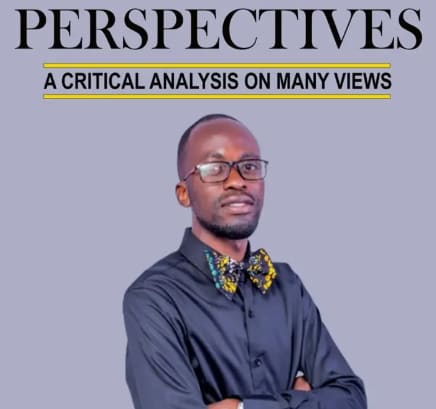
In Perspectives: A Critical Analysis on Many Views, writer Clement Mumba takes familiar questions about development, poverty, resourcefulness and the future of Zambia and approaches them from multiple angles.
Rather than presenting well-known ideas as simple answers, Mumba uses different perspectives to challenge readers to think more deeply about the problems facing the country — and what might be done differently.
At the heart of the book is an argument that development requires more than discussion. It requires ideas that can eventually translate into action.
Mumba’s approach is deliberately broad. His writing brings together questions around governance, identity, entrepreneurship, philosophy and the wider Zambian experience, allowing readers to consider development from different viewpoints.
The result is a book that is less about offering a single formula and more about encouraging readers to question assumptions.
For a country that has spent decades discussing how to move more people out of poverty and make better use of its resources, that conversation remains relevant.
Beyond familiar answers
Much of the development debate in Zambia is built around familiar themes: education, jobs, entrepreneurship, natural resources, good governance and economic opportunity.
Mumba does not necessarily present these ideas as new. Instead, Perspectives attempts to examine them in a way that accommodates different interpretations and encourages readers to connect the dots.
That distinction matters.
Development challenges rarely have one cause, and they rarely have one solution. The relationship between institutions, individuals, businesses, government and communities is complicated.
By bringing different perspectives into the discussion, Mumba invites readers to look beyond individual problems and consider how they fit into a bigger picture.
A book about resourcefulness
One of the underlying ideas running through Mumba’s work is the possibility of moving Zambia from a position of simply identifying its challenges to one of making better use of what it already has.
That includes human capital, natural resources, entrepreneurship, institutions and ideas.
The book therefore speaks to a broader question: what would it take for Zambia to become more resourceful — not simply in terms of its natural resources, but in how it uses its people, institutions and opportunities?
It is a question without an easy answer.
And perhaps that is precisely why Mumba approaches it through multiple perspectives rather than a single prescription.
From ideas to action
Ultimately, Perspectives is built around a simple tension: Zambia has no shortage of ideas about development, but ideas only become meaningful when they influence what people and institutions actually do.
Mumba’s book contributes to that conversation by asking readers to think, question and consider alternatives.
Whether every reader agrees with the perspectives presented is less important than engaging with the questions.
Because development is not only an economic project. It is also a process of deciding what kind of society a country wants to build — and what it is prepared to do to get there.
Book: Perspectives: A Critical Analysis on Many Views
Author: Clement Mumba
Find out more: Clement Mumba’s website