Zambia’s fashion industry is increasingly being discussed not only as a creative sector, but as part of the broader economic conversation around jobs, enterprise development, cultural exports and access to international markets.
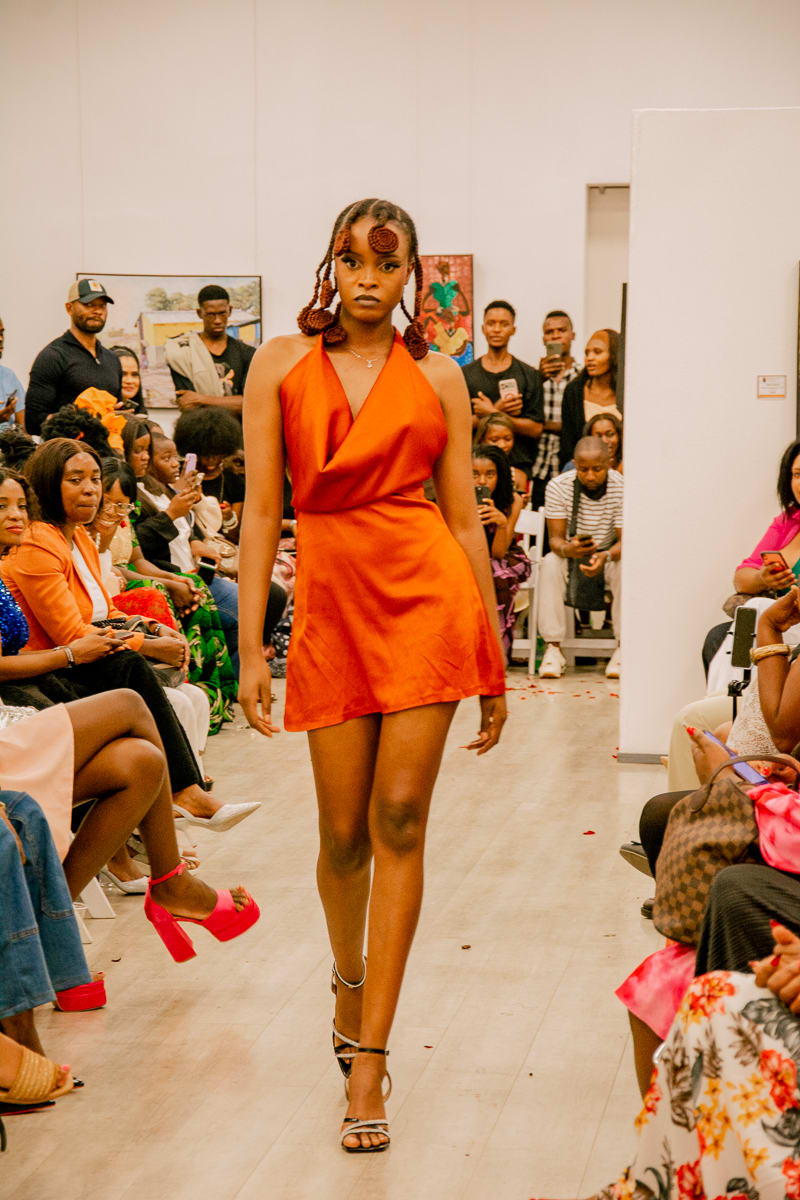
Those issues were at the centre of the FashionEVO Summit held at the Mulungushi International Conference Centre in Lusaka, which brought together fashion entrepreneurs, policymakers and industry practitioners from Zambia, Nigeria and elsewhere on the continent.
The discussions focused on a question that has become increasingly relevant to African creative industries: how can fashion move from a largely fragmented collection of small businesses and designers into a more structured industry capable of competing beyond domestic markets?
From Creativity to Industry
The Summit examined the role of innovation, sustainability, investment, policy and market access in strengthening Africa’s fashion ecosystem.
The programme's keynote address by Kangwa Chileshe, Permanent Secretary in the Ministry of Youth, Sport and Arts, highlighted the wider economic potential of the creative industries and the importance of positioning African fashion for global competition.
But competitiveness extends beyond the visibility of individual designers.
For fashion businesses to scale, entrepreneurs need access to finance, reliable production and supply chains, skilled labour, intellectual property protection, market information and distribution networks.
These structural issues featured prominently throughout the Summit.
Panel discussions examined how Africa can build a fashion economy capable of competing internationally, while also preserving the cultural identity embedded in its creative industries.
The Market Access Problem
For many African fashion businesses, producing a product is only one part of the challenge.
Getting that product into international markets can require knowledge of export regulations, logistics, branding, pricing, retail networks and consumer preferences that smaller businesses may struggle to access individually.
The Summit therefore considered pathways for African brands to move beyond local markets and develop commercially sustainable international businesses.
This also raises a broader question for Zambia: whether local fashion enterprises can build the production capacity and business systems required to participate consistently in regional and global value chains.
Culture as an Economic Asset
Fashion also occupies a space between commerce and cultural expression.
African designers frequently draw on local textiles, patterns, craftsmanship and cultural references. Protecting that creativity therefore has an economic dimension as well as a cultural one.
Discussions at the Summit included intellectual property protection and the need for supportive policy frameworks that can help creators protect and commercialise their work.
For emerging designers, the ability to establish ownership over designs and brands can be critical as their businesses gain visibility.
Building the Accessories Economy
Another area discussed was Africa’s premium accessories market and the need for stronger value chains.
Accessories such as leather goods, jewellery, footwear and other products can create opportunities beyond the traditional designer-clothing model.
But developing a competitive accessories industry requires more than creative talent. It depends on access to quality raw materials, manufacturing capacity, specialised skills, quality standards, finance and distribution.
Strengthening those links could allow more value to be captured within African markets rather than concentrating production and higher-value stages of the supply chain elsewhere.
A Broader Economic Question
The FashionEVO Summit ultimately highlighted a challenge shared by many African creative industries.
The continent has no shortage of creative talent. The harder question is how that talent can be connected to the capital, infrastructure, policy, skills and markets required to build durable businesses.
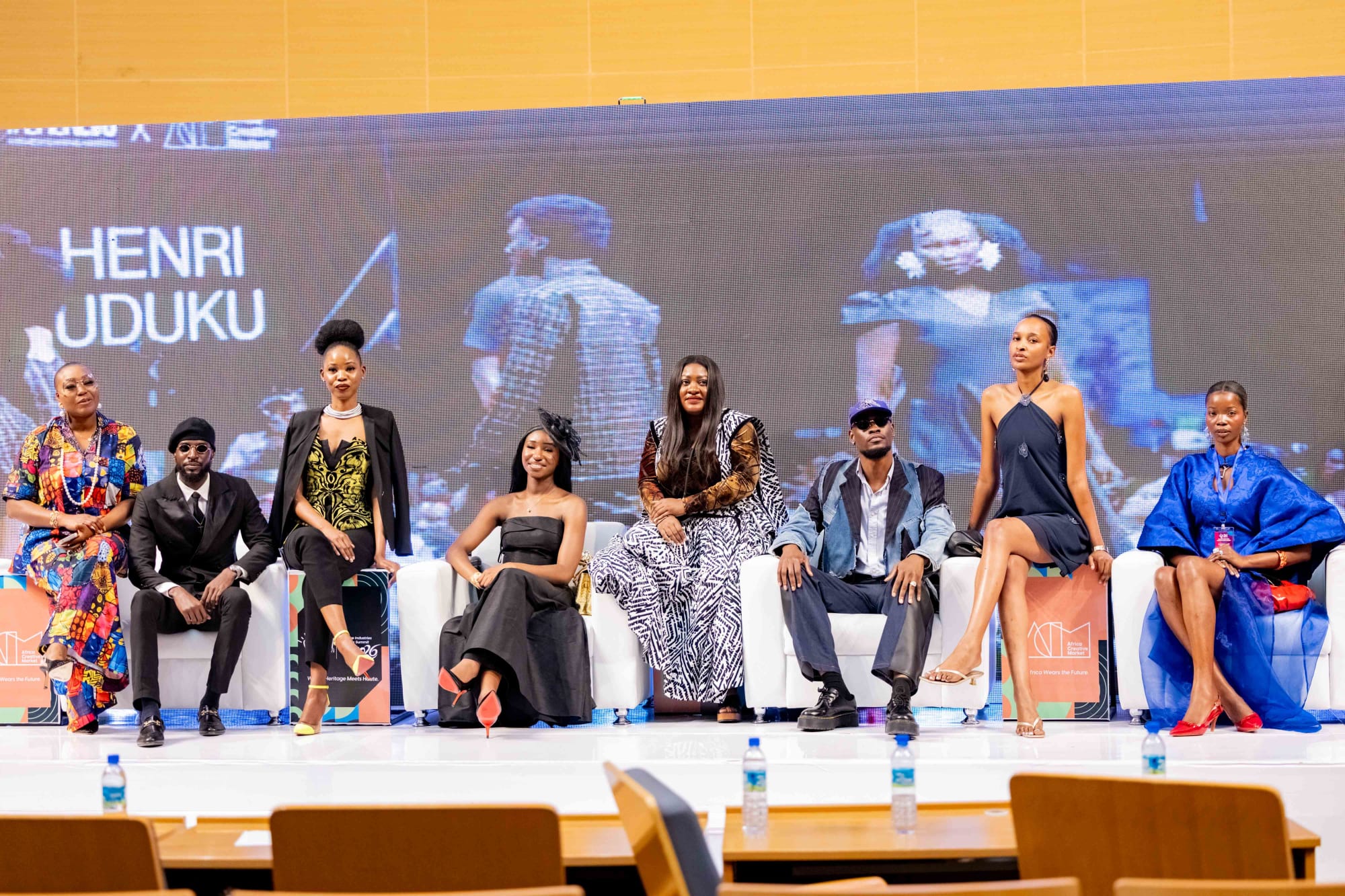
The speakers and moderators—including Ejiro Amos Tafiri, Mariam Musa, Lilly Alfonso, Blessing Ebere Achu, Faith M. Kabende, Kiki Okewale, Chisanga Kapumpa and Annie Oti—brought perspectives from different parts of the African fashion ecosystem to the discussion.
Closing the Summit, FashionEVO founder Dr Yetty Ogunnubi said the platform was established to encourage collaboration and create opportunities for the growth of Africa’s creative industries.
The event concluded with a networking and industry mixer, extending discussions beyond the formal programme.
For Zambia, however, the more important conversation may be what happens after the conference.
If fashion is to become a meaningful contributor to the creative economy, attention will have to move from showcasing talent to building the systems around it—production, finance, intellectual property, market access and regional trade.
That is where the industry's economic potential will ultimately be tested.