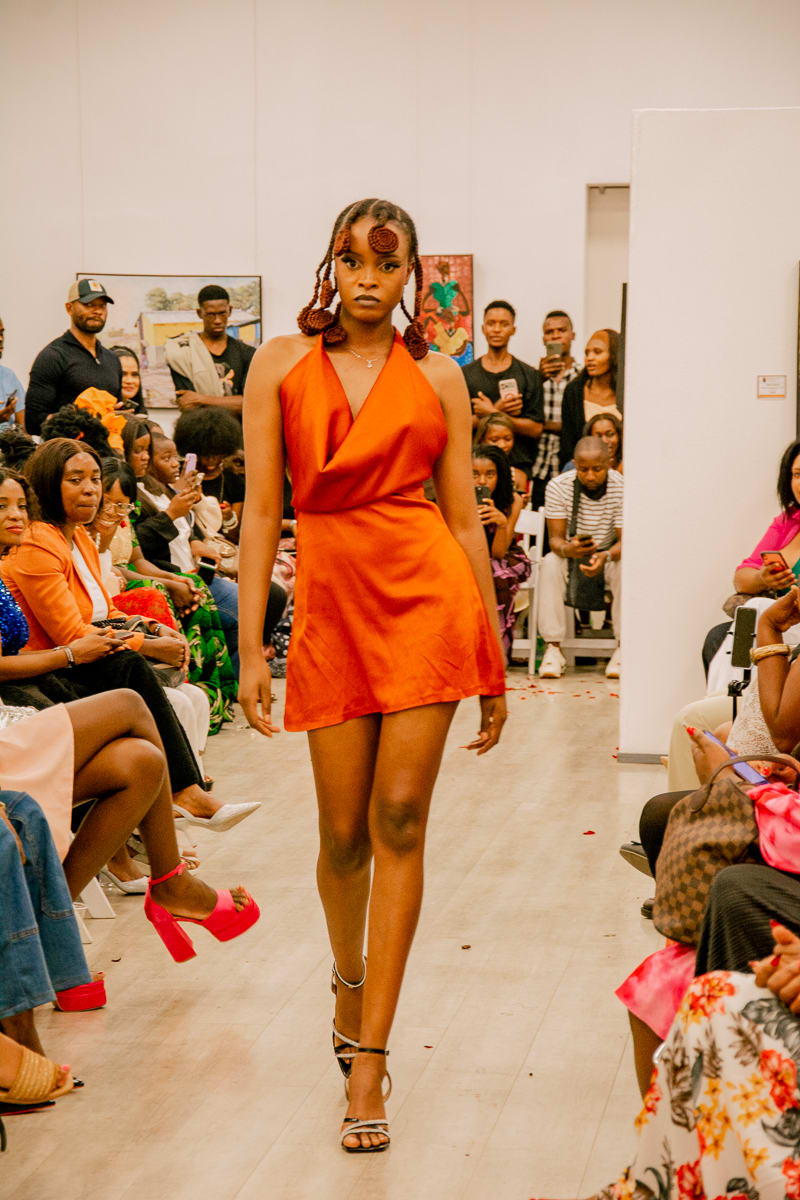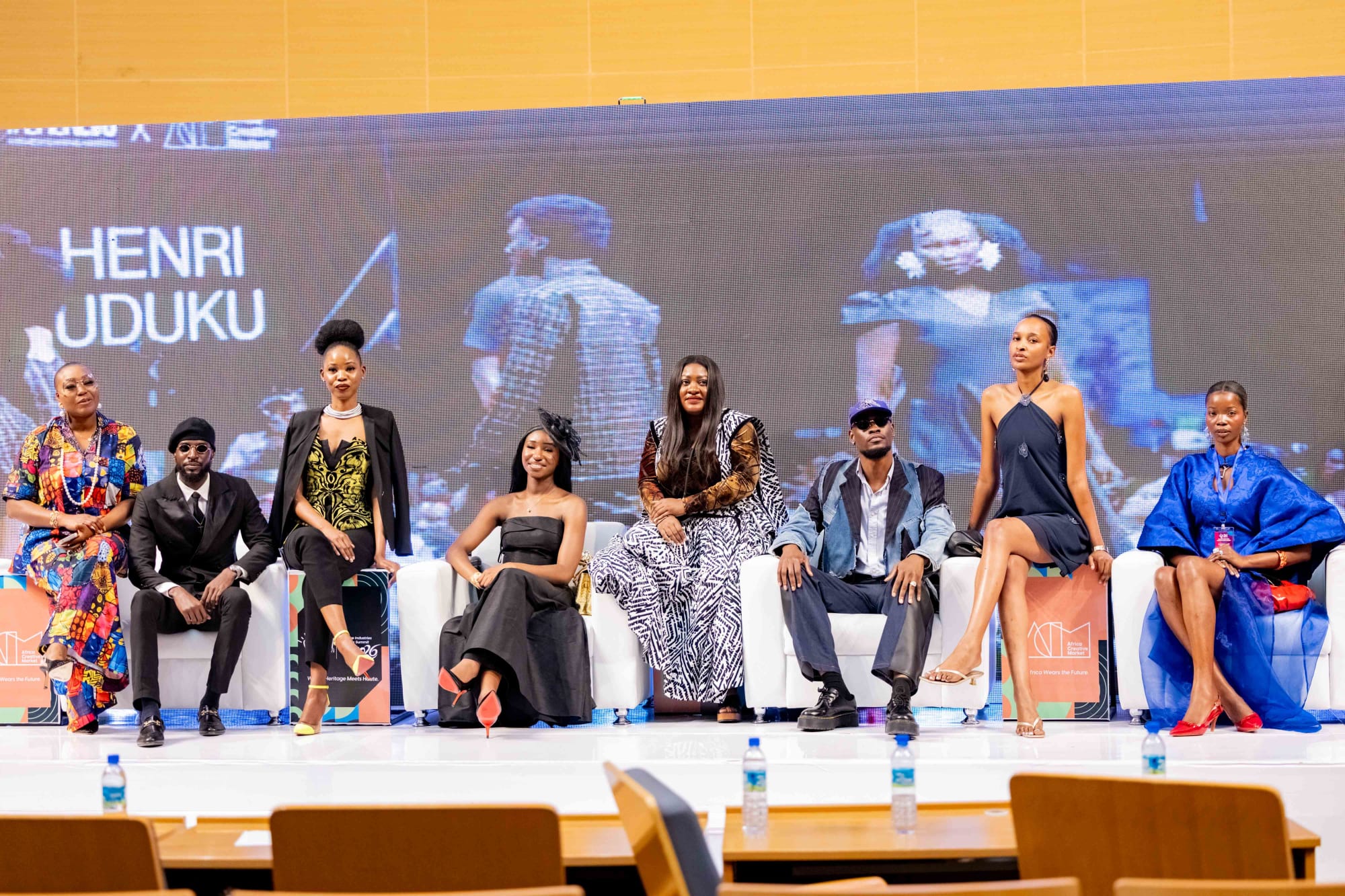
Government wants Zambia’s modelling sector to become more organised, but the more difficult task will be turning recognition into an industry that can consistently generate income for the people working in it.
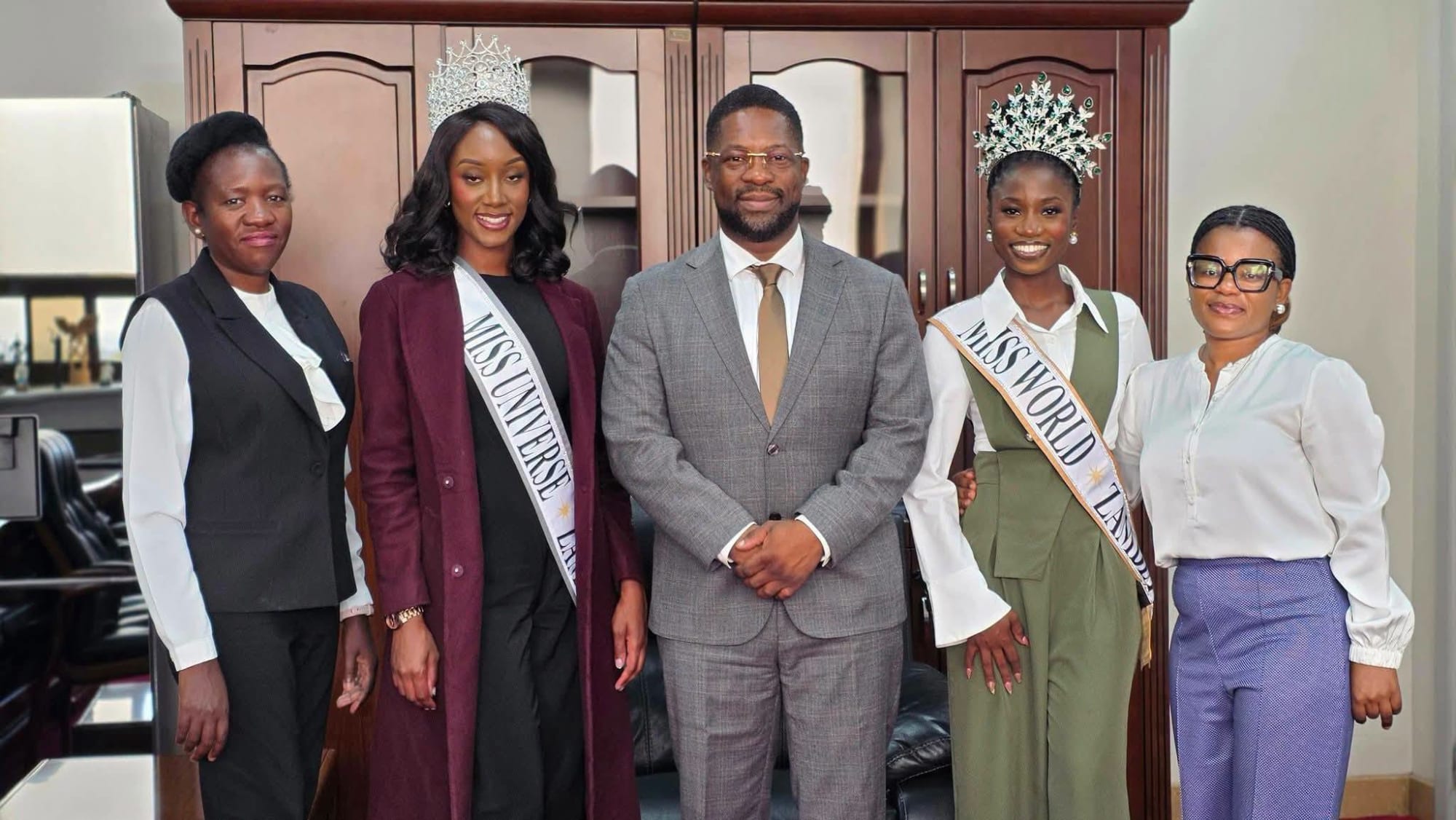
Ministry of Youth, Sport and Arts Permanent Secretary Kangwa Chileshe has called for the establishment of a recognised association for models, arguing that stronger industry structures could help protect young talent, improve engagement with Government and open access to public support.
The proposal comes as Zambian pageantry gains international visibility.
Miss World Zambia Adah Mushibi represented Zambia at the Miss World competition on September 5, 2026, finishing among the top 12 contestants globally and among the top two contestants from Africa. Miss Universe Zambia Mubanga Hatyoka is preparing to represent Zambia at the 75th Miss Universe pageant in Puerto Rico.
Both are under ARM Model Management Zambia.
But international pageant results, while valuable for visibility, are not the same thing as a functioning modelling industry.
The Formalisation Problem
Zambia has models, agencies, pageants and fashion events. What remains less developed is the institutional layer connecting them.
That includes standardised contracts, professional representation, dispute mechanisms, training, transparent fees and stronger links between models, brands, advertisers, designers and international markets.
For young models in particular, the absence of clear industry structures can create information and bargaining gaps. A newcomer may have limited knowledge of contracts, image rights, payment arrangements or how their work should be valued.
Formalisation could help close some of those gaps.
But creating an association alone will not necessarily solve them. Its effectiveness would depend on who it represents, the standards it establishes and whether agencies, models, event organisers and commercial clients actually use those standards.
Should Models Be Treated Like Athletes?
Chileshe has suggested that Government support for international pageants could operate along similar lines to support for national sports teams, including assistance with international travel.
There is a reasonable policy question behind the proposal: if Zambia invests in athletes representing the country internationally, should comparable public support be available to creative professionals representing Zambia?
But the comparison also highlights the need for clear criteria.
Public support would require transparent rules about eligibility, selection, accountability and the public benefit associated with funding international participation.
Otherwise, state support risks becoming dependent on individual relationships or the visibility of particular competitions rather than a coherent creative-industry policy.
The Economic Opportunity
The larger opportunity is not the pageant itself.
Modelling sits within a wider commercial ecosystem that includes fashion, advertising, television, photography, cosmetics, events, hospitality and digital media.
A stronger modelling sector could therefore create economic links well beyond the runway.
Models can become part of advertising campaigns. Fashion designers need professional presentation. Brands require visual content. Events require talent. International exposure can create opportunities for Zambian creatives to participate in regional markets.
The challenge is building the connections between these activities.
Start With the Infrastructure
Government's proposal to introduce creative-industry and modelling-related training in schools is another part of the conversation.
Training could help young people understand modelling as a profession rather than simply a route to pageantry. But training will have limited economic value if the market around it remains informal.
The sector needs businesses capable of paying models consistently, agencies operating on professional terms and commercial clients that understand the value of creative work.
It also needs better data.
How many professional models are working in Zambia? How much revenue does the sector generate? How many agencies operate formally? What proportion of models earn sustainable incomes? How much Zambian creative work is being exported?
Without answers to basic questions such as these, it is difficult to design effective policy.
From Visibility to Value
Zambia's recent pageant achievements demonstrate that the country can produce talent capable of competing internationally.
The next test is whether that visibility can be converted into something more durable.
Formalising modelling should therefore be about more than creating an association or financing trips to international competitions.
It should be about building an industry in which talent has clearer rights, businesses have clearer standards and successful participation can lead to sustained commercial opportunities.
That would move modelling from being treated primarily as entertainment or pageantry towards what it can also be: part of Zambia's emerging creative economy.