For years, Zambia's mining laws provided for a specialised forum to hear disputes in the sector. The institution existed on paper, but the mechanism was not fully operational.
That changes with the commencement of sittings by the Mining Appeals Tribunal on 14 September 2026.
The Tribunal is now beginning its work as the specialised body responsible for hearing appeals arising from decisions of the Minerals Regulation Commission (MRC), alongside matters relating to misconduct in the mining sector.
It is a relatively technical development, but one with wider implications for Zambia's mining industry.
A decade-long gap
The Tribunal was originally provided for under the Mines and Minerals Development Act of 2015.
Although members were appointed, the Tribunal did not become operational under that framework.
The legal landscape subsequently changed with the Minerals Regulation Commission Act No. 14 of 2024, which repealed and replaced the 2015 legislation and established the current regulatory framework.
New institutional arrangements and offices have since been put in place, allowing the Tribunal to begin receiving and determining appeals.
That makes the September sittings more than the opening of another government office.
They represent the transition of a statutory right from legislation into an operating institution.
Why dispute resolution matters to mining
Mining projects involve long investment horizons and substantial capital.
A disagreement over a regulatory decision can therefore have consequences beyond the immediate dispute. It can affect exploration, development schedules, financing and the continuity of an operation.
A specialised appeals mechanism gives investors, mining rights holders and other affected stakeholders a defined avenue for challenging decisions within the sector.
It also matters for communities and other parties affected by decisions concerning mineral resources.
The Tribunal's effectiveness will ultimately depend on whether it can resolve cases fairly, consistently and within reasonable timeframes.
The test is speed and credibility
Creating a tribunal does not automatically create regulatory certainty.
The institution now has to establish a track record.
That means clear procedures, accessible information, competent hearings and decisions that are seen as independent and grounded in the law.
There is also an important economic dimension.
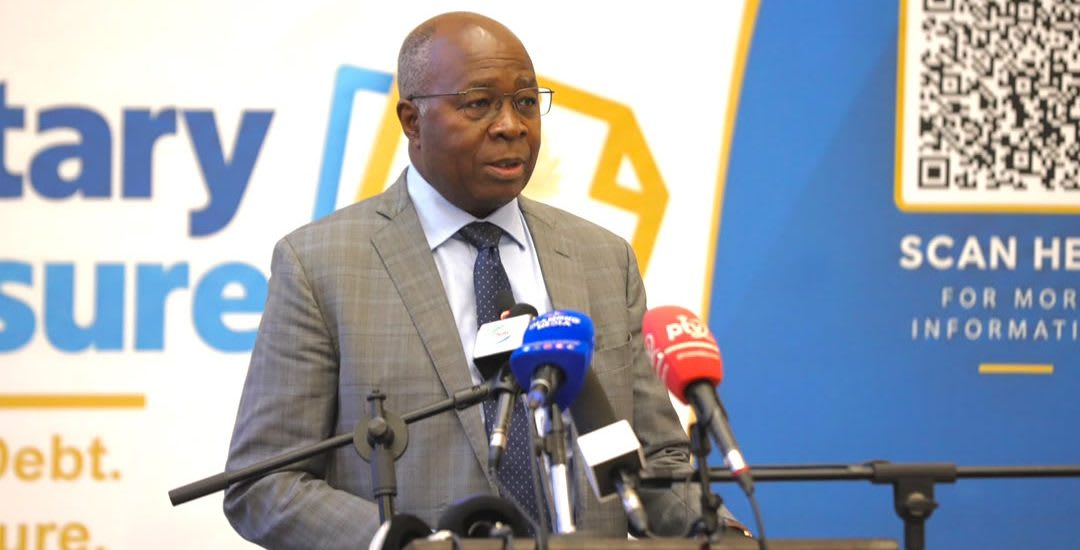
Zambia is seeking to significantly increase copper production, with government targeting three million tonnes annually by 2031. Tribunal Chairperson Philemon Songolo has linked an efficient dispute-resolution system to the stability needed for mining projects to grow and expand.
For investors, certainty is not simply about tax rates or mineral deposits.
It is also about knowing what happens when a dispute arises.
A test for the wider mining framework
The timing is significant because Zambia is simultaneously reshaping how its mining sector is regulated.
The Minerals Regulation Commission is now central to the administration of the sector, while the country is seeking greater investment, higher copper production and stronger participation in mineral value chains.
The Appeals Tribunal becomes part of that architecture.
Its success will therefore be measured not by the ceremony surrounding its launch, but by what happens when difficult cases arrive.
Can disputes be resolved without unnecessary delay?
Can investors and rights holders obtain meaningful redress?
Can communities use the system when affected by regulatory decisions?
And can the Tribunal build confidence that the same rules apply regardless of the size or influence of the parties involved?
Those questions will matter more than the institution's opening day.
Zambia has spent years building the legal framework for a mining appeals system. The next task is to prove that the institution can make the rules work in practice.