For a business that has accumulated years of unpaid tax, the size of the problem is not always the tax itself.
Penalties and interest can turn an old tax liability into a much larger bill, making it increasingly difficult for a business to bring its tax affairs back into order.
The Zambia Revenue Authority (ZRA) has now opened a temporary window for taxpayers facing such liabilities to do exactly that.
The Extended Voluntary Disclosure Scheme (EVDS), which began on 17 September 2026 and runs until 31 December 2026, offers eligible taxpayers a 100 percent waiver of accrued penalties and interest when the underlying principal tax due is settled.
That distinction matters.
The scheme does not erase the principal tax obligation. Instead, it removes the accumulated penalties and interest attached to it, potentially reducing the cost of bringing an outstanding tax account into compliance.
A second chance, but not a tax holiday
The government has been careful to describe the initiative as a compliance intervention rather than a reward for failing to pay taxes.
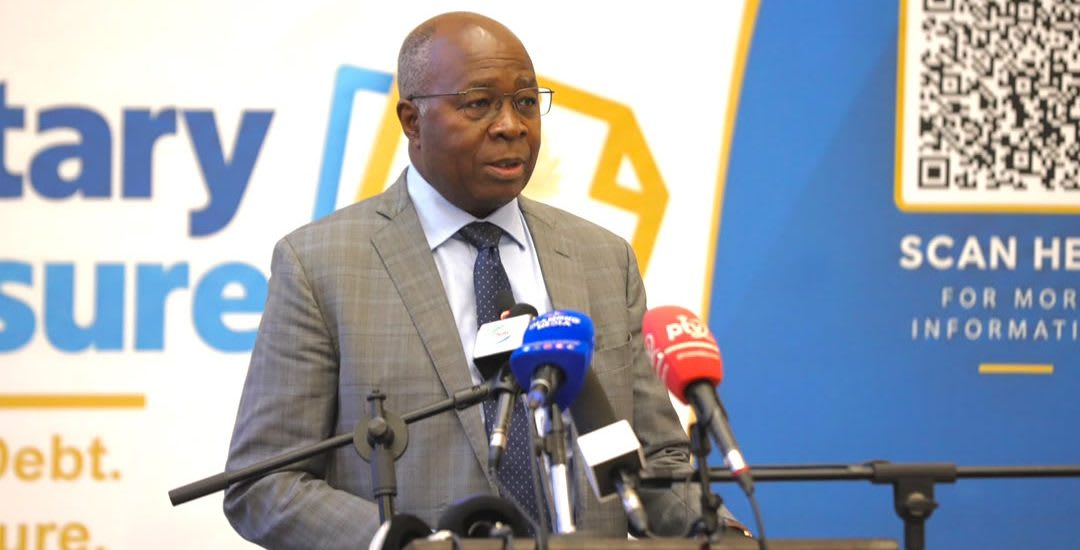
At the launch in Lusaka, Finance and National Planning Minister Situmbeko Musokotwane said the scheme is intended to give eligible taxpayers a structured opportunity to correct past omissions and return to consistent compliance.
That makes the EVDS different in emphasis from simply declaring another tax amnesty.
The objective is not only to collect old liabilities. It is also to bring taxpayers who have fallen behind back into the regular tax system.
For ZRA, this is part of the wider challenge of improving voluntary compliance and domestic resource mobilisation. Commissioner General Dingani Banda said non-compliance remains a challenge in tax administration.
The opportunity is particularly relevant to small businesses
For a small company, an old tax problem can easily become an administrative problem before it becomes a financial one.
A business may have changed accountants, lost records, failed to file certain returns, misunderstood an obligation or simply accumulated arrears during a difficult period.
Years later, the business may discover that what started as a relatively manageable tax obligation has grown because of penalties and interest.
The EVDS creates a defined period in which eligible taxpayers can examine those liabilities and determine what it would take to settle the principal.
That makes the first step less about finding money and more about finding out what the business actually owes.
The deadline changes the calculation
The scheme runs for just over three months.
That means businesses with outstanding tax issues should not treat December as the starting point for investigation.
They need time to reconcile their records, establish the principal liability, verify their position with ZRA and, where necessary, obtain professional tax advice.
This is particularly important for businesses whose records stretch across several tax years.
Waiting until the final weeks could turn what should be a compliance exercise into another administrative scramble.
Why this matters beyond individual taxpayers
Tax compliance is ultimately connected to the government's ability to finance public expenditure.
ZRA's 2025 annual report recorded gross revenue collections of K185.6 billion, with net collections of K160.7 billion after refunds.
That puts the EVDS into a broader fiscal context.
Government needs revenue, while businesses need a tax system in which outstanding obligations can be identified and resolved without old penalties making compliance progressively harder.
There is therefore a mutual interest in bringing dormant or irregular tax accounts back into the formal system.
But the longer-term test will be what happens after the waiver expires.
The real test begins in January
A successful voluntary disclosure programme should not simply produce a short-term increase in tax payments.
It should leave more taxpayers with accurate records, up-to-date filings and a clearer understanding of their obligations.
That is why the period after 31 December 2026 may ultimately be more important than the waiver itself.
If businesses use the window to settle principal liabilities and then remain compliant, the scheme becomes part of a broader shift towards regular tax administration.
If taxpayers simply wait for another waiver, the underlying compliance problem remains.
For businesses with outstanding liabilities, however, the immediate issue is simpler.
There is now a defined window to review the books, establish what is owed and determine whether the EVDS can help remove the penalties and interest that have accumulated around the principal tax.
The opportunity has a deadline.
31 December 2026.