In Mwilima, a new solar project is beginning with a relatively simple proposition: more reliable electricity could mean more than lights.
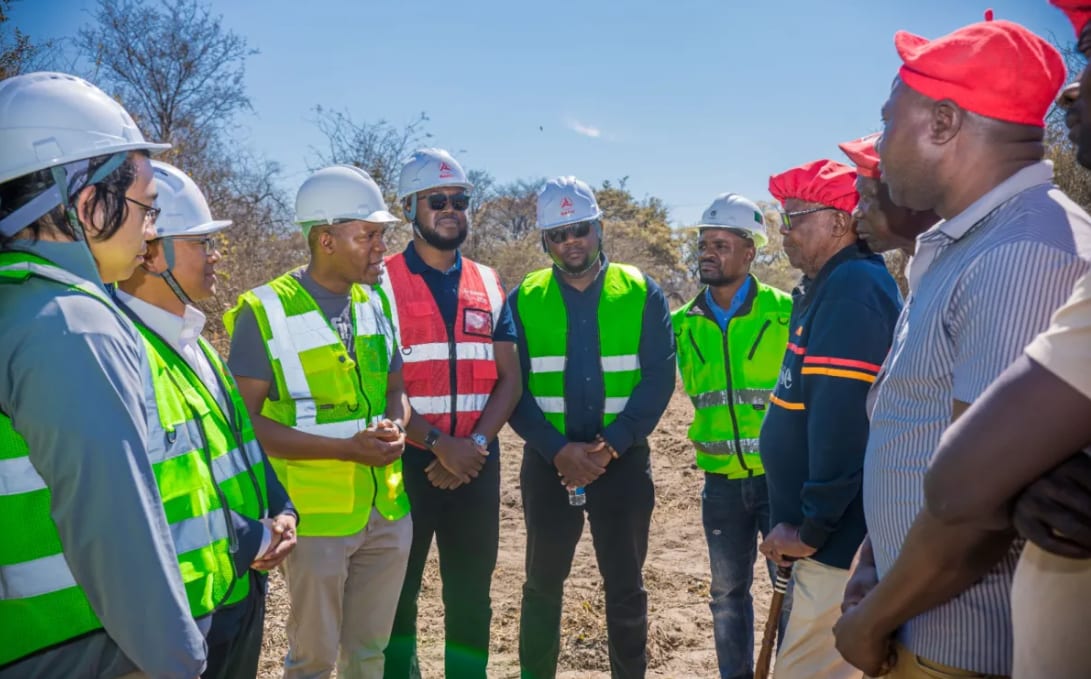
The 10MW Mwandi Solar PV Plant, being developed by Lunzua Power Company and Valinor Investments, broke ground in August and is expected to begin feeding power into the national grid by the first quarter of 2027.
The US$8 million project is the first phase of a planned 20MW development and is expected to generate about 22 gigawatt-hours of electricity annually.
For Mwandi, the significance lies beyond the additional megawatts.
The district has economic activity in agriculture, livestock, fisheries and potential value addition, but unreliable electricity has constrained businesses that need dependable power to process, refrigerate, pump, manufacture and expand.
That makes rural power infrastructure an economic issue as much as an energy one.
From electricity to productive activity
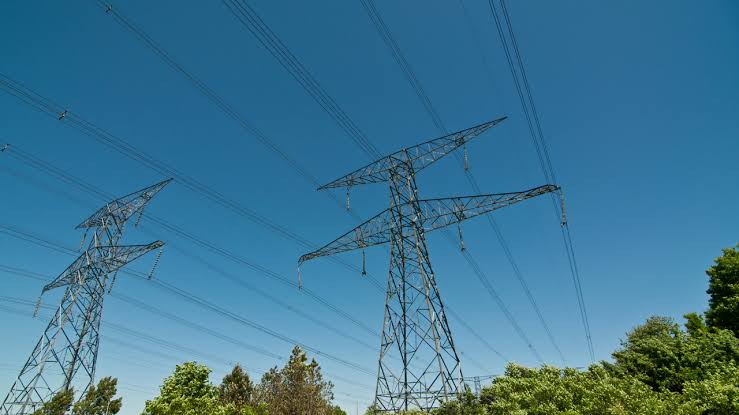
The project will occupy about 40 hectares and include an evacuation line connecting the plant to the ZESCO grid.
During construction, up to 100 jobs are expected in activities including land clearing and civil works, with additional indirect opportunities potentially emerging in food services, transport and hospitality.
Local participation is also built into the project, with the Mwilima Multipurpose Cooperative holding a 5 percent stake.
That arrangement raises an important question for rural energy projects: whether communities hosting infrastructure can capture value beyond temporary construction employment.
For Mwandi, that could mean a greater connection between electricity generation and the local economy.
The bigger issue is what happens after construction
A solar plant does not automatically create an industrial economy.
The electricity has to be used.
If reliable power enables fish farmers to improve cold storage, farmers to process produce locally, businesses to operate machinery and new enterprises to establish themselves, the economic effect could extend well beyond the plant itself.
That is where the real test of the project will lie.
Zambia's energy challenge is not simply about generating more electricity. It is about making electricity available where it can support productive activity.
The Mwandi project is therefore part of a broader shift towards bringing private capital into power generation while expanding the role of renewable energy.
For Western Province, the opportunity is particularly significant.
The region has substantial agricultural and natural-resource potential, but infrastructure determines how much of that potential can be converted into businesses, jobs and local income.
A small project with a larger question
At 10MW, the Mwandi plant will not transform Zambia's national electricity system on its own.
But projects of this scale can matter greatly at district level.
The question is whether the electricity generated becomes an input into a larger local economy.
If it does, the value of the project will not be measured only in megawatt-hours.
It will be measured in businesses that can operate more reliably, agricultural products that can be processed locally, cold storage that can function consistently and communities that have more economic uses for electricity.
The solar panels are the visible part of the investment. The more important story may be what Mwandi is able to build around the power they produce.