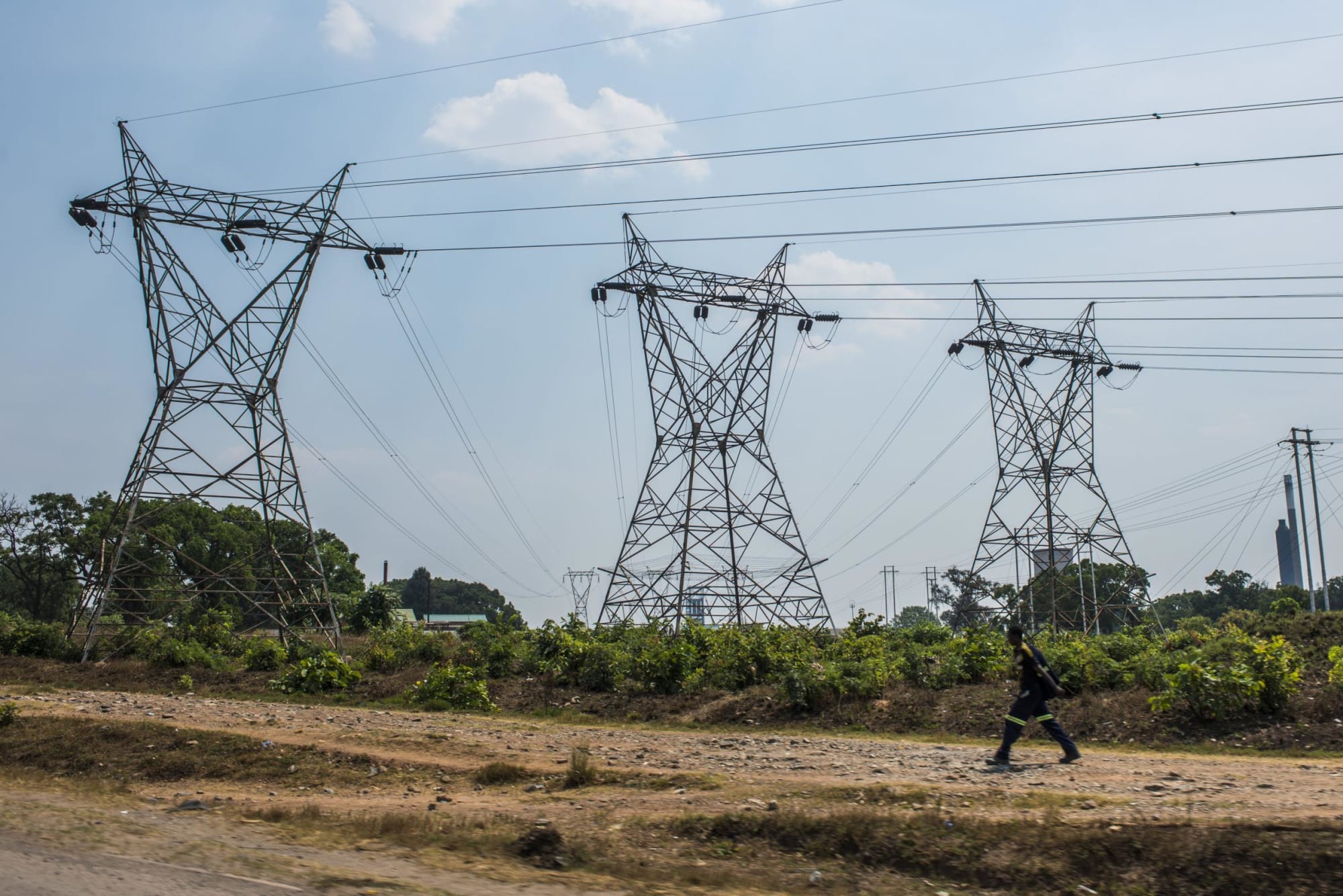
A US$250 million financing agreement between Mercuria and Exergy Energy could give Zambia’s power ambitions a significant boost — but the real test will be what gets built.
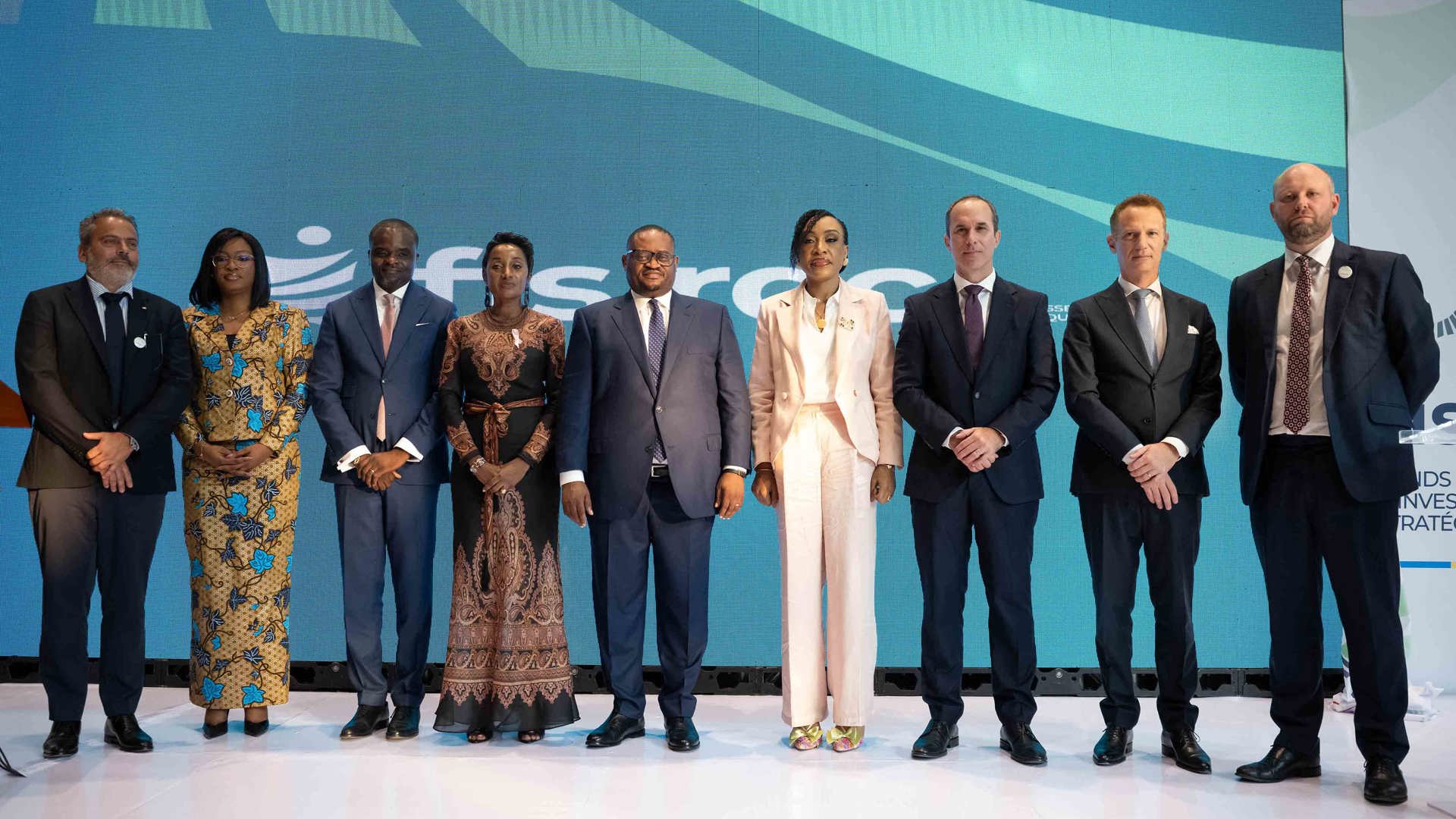
Mercuria and Exergy Energy have signed a US$250 million financing agreement aimed at developing electricity generation and transmission projects across Southern and Eastern Africa.
The agreement was signed in Lusaka on September 25, 2026, and marks Mercuria’s formal entry into the region’s power infrastructure market.
The financing remains subject to regulatory approvals. If cleared, it will support projects being developed through Exergy’s two operating businesses, Lunzua Power Company and Lusitu Transmission and Distribution.
Several projects are already in the development pipeline.
More than another power project
What makes the deal notable is that it is not simply about building another power plant.
Exergy’s platform combines generation with transmission and distribution infrastructure.
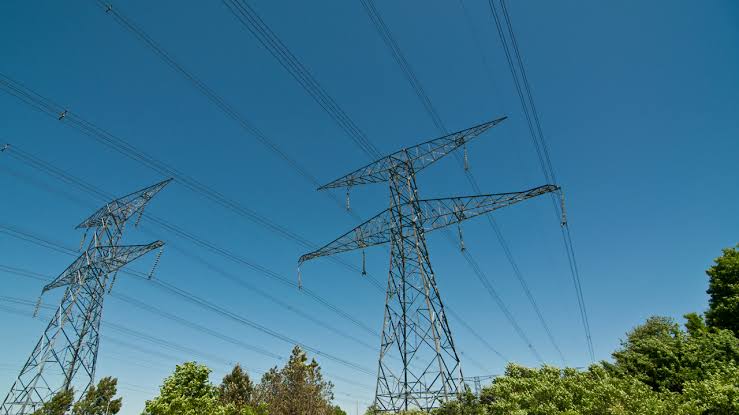
Lunzua Power Company is responsible for generation projects, while Lusitu Transmission and Distribution focuses on electricity networks.
That combination matters in a region where producing electricity is only part of the problem. Getting power to where it is needed — and potentially across borders — is equally important.
The companies say the pipeline will contribute to Zambia’s Grow Zambia target of adding 10,000 MW of electricity supply by 2031.
The ambition is significant, particularly as Zambia looks to increase domestic electricity availability while positioning itself to participate more actively in regional electricity markets.
Zambia's bigger opportunity
There is another part of the deal that could prove just as important as the generation capacity.
Exergy is developing a planned transmission corridor connecting Zambia with the East African power market.
If developed, such infrastructure could give new generation projects access to a much wider pool of potential electricity buyers.
In simple terms, more transmission capacity can turn electricity from a local product into a regional one.
That could become increasingly important as Southern and Eastern African countries seek to trade electricity across borders and manage differences in generation capacity and demand.
Why Mercuria matters
Mercuria is a major global energy and commodities trading company. Its involvement therefore brings more than financing.
The deal combines Mercuria's energy-market and trading expertise with Exergy's regional infrastructure platform.
For investors, the interesting part is the potential connection between generation, transmission and electricity trading.
A power plant can produce electricity. A transmission network determines where that electricity can go. Regional power markets determine who can ultimately buy it.
Bringing those pieces closer together could create opportunities that would not exist around an isolated generation asset.
But the financing agreement itself should not be confused with immediate new electricity supply.
The hard part starts now
The US$250 million provides a financing framework. It does not automatically translate into megawatts on the grid.
Regulatory approvals, project financing, construction, interconnection agreements, tariffs and electricity offtake arrangements will determine how quickly the pipeline moves from plans to physical infrastructure.
There is also a regional dimension.
Cross-border electricity projects involve multiple regulators, utilities, currencies and power-market arrangements. That creates opportunities, but also additional execution risks.
For investors, the numbers to watch will therefore go beyond the headline US$250 million.
How quickly are approvals secured? Which projects reach financial close? What are the offtake arrangements? What tariffs are agreed? And when does construction actually begin?
Those milestones will provide a clearer picture of the deal's economic impact than the financing announcement alone.
A bigger signal for Zambia
For Zambia, the significance of the agreement extends beyond Exergy and Mercuria.