A $300 million power transmission project linking Zambia and the Democratic Republic of Congo (DRC) has moved closer to construction, potentially opening a new route for electricity exports and easing the DRC's chronic power shortages in the Copperbelt.
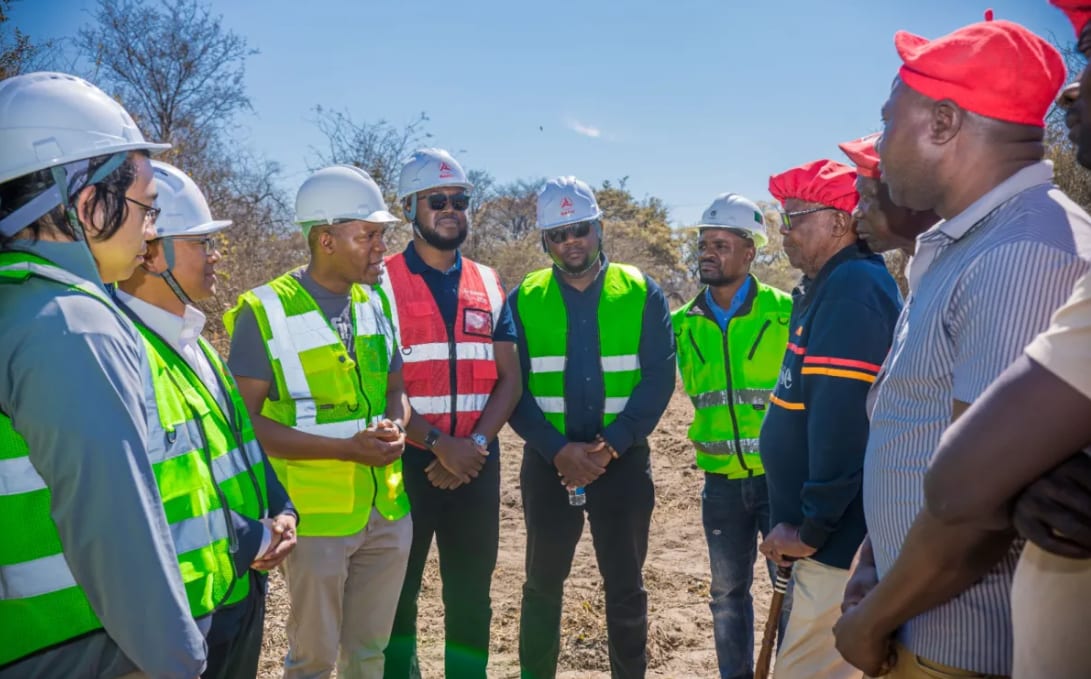
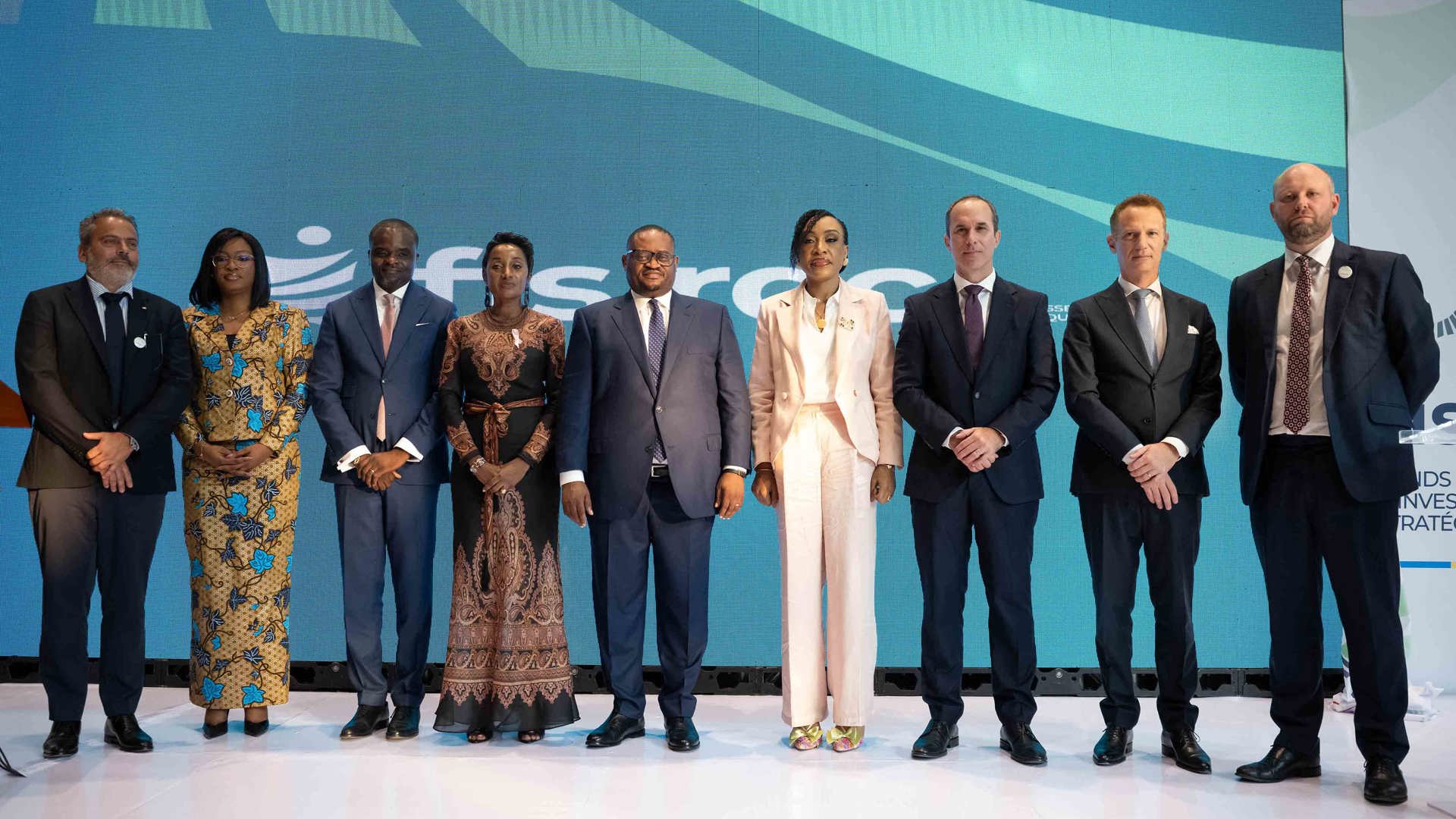
The Strategic Investment Fund of the DRC (FIS-RDC), Enterprise Power DRC (EnPower), commodities trader Trafigura and Gridworks Development Partners have signed a Strategic Framework Agreement for the Kalumbila–Kolwezi Interconnector Project (KKIP).
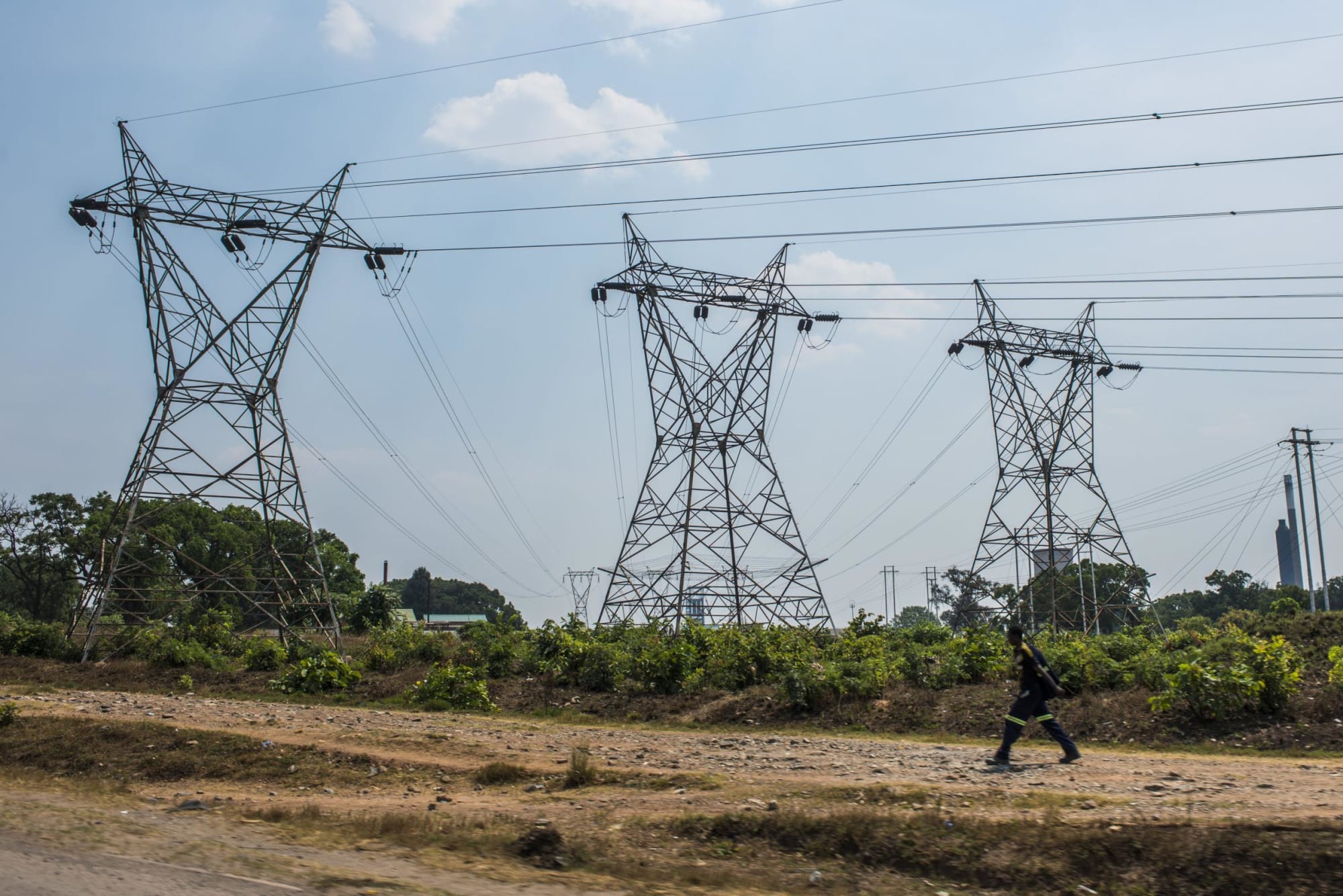
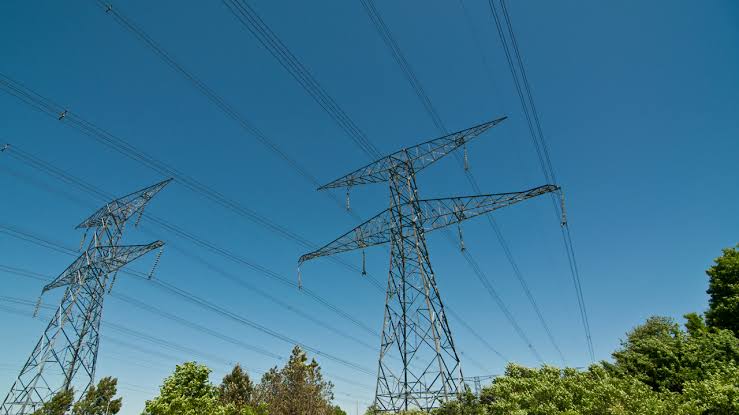
The project will involve construction of a roughly 200-kilometre high-voltage transmission line between Kalumbila in Zambia and Kolwezi in the DRC.
The line will have a thermal capacity of 700MW, with up to 550MW of electricity initially available for import into the DRC's Copperbelt. The infrastructure has also been designed to eventually carry more than 1GW.
For Zambia, the project is significant because it creates additional infrastructure through which licensed Zambian electricity producers could sell power into the DRC.
Zambia gets a new export route
The interconnector comes as Zambia continues to grapple with electricity supply constraints while simultaneously seeking to expand generation capacity.
Rather than simply producing more electricity, Zambia increasingly needs the infrastructure to move and trade that electricity across borders.
KKIP could provide part of that missing link.
The project will create transmission capacity for Zambian power producers and potentially support the development of new generation projects whose commercial viability depends on access to regional markets.
The parties say discussions are already underway with Zambian entities regarding possible investment in the project.
That could give Zambia a direct financial stake in infrastructure that will ultimately facilitate the export of electricity from the country.
DRC's power deficit
On the other side of the border, the project is being driven by a much more immediate problem.
The DRC's mining-heavy Copperbelt faces a structural electricity deficit estimated at more than 1GW.
For mining companies, unreliable or expensive electricity is not simply an inconvenience. It can determine whether a mine, refinery or processing facility is commercially viable.
The new interconnector is therefore expected to provide additional baseload electricity to mining and industrial users around Kolwezi.
It could also help unlock mining and refining projects that have been delayed because of inadequate access to affordable power.
More production would mean more activity across the mining supply chain—and potentially greater tax and royalty revenues for the Congolese government.
More than a mining line?
Although mining is expected to anchor demand for the project, the developers say the infrastructure will have capacity to serve other businesses and communities.
This is important because cross-border transmission infrastructure can have effects beyond its initial industrial customers.
A stronger connection between the Zambian and Congolese grids could facilitate greater regional electricity trading through the Southern African Power Pool (SAPP), allowing power to move more efficiently between countries where supply and demand conditions differ.
In theory, that makes the project bigger than a single line between Kalumbila and Kolwezi.
It becomes another piece of the region's emerging electricity market.
A new model for infrastructure finance
KKIP also represents a significant development in how large infrastructure projects are being financed in the region.
FIS-RDC, EnPower and Gridworks intend to invest equity in the project, with Gridworks acting as lead equity investor and majority shareholder.
Trafigura has agreed to arrange a significant portion of the project's debt financing.
Gridworks is owned and funded by British International Investment, the UK's development finance institution.
For FIS-RDC, the transaction is particularly significant because it is the fund's first announced investment since its establishment in October 2025.
The fund says the investment is intended to demonstrate how sovereign capital can be used to attract, rather than replace, private investment.
EnPower, meanwhile, is the project's developer and a licensed Congolese power trader and SAPP member.
Why it matters for Zambia
For Zambia, the opportunity extends beyond electricity exports.
If the project proceeds as planned, it could help strengthen the country's position as a regional power supplier while creating additional demand for future generation projects.
It also points to a broader question for Zambia's energy strategy.
As the country invests in solar, hydro and other forms of generation, where will the electricity be sold when domestic demand is insufficient—or when regional prices are more attractive?
Transmission infrastructure will increasingly determine the answer.
The Kalumbila–Kolwezi link could therefore become an important piece of Zambia's strategy to turn electricity from a domestic utility into a regional export commodity.
Construction costs are estimated at $300 million, and the project has reportedly secured the necessary concessions, licences and authorisations to proceed to its final development stage.
If delivered, KKIP would not only connect two Copperbelt economies.
It would connect Zambia's power generation ambitions to the DRC's enormous industrial demand—and potentially deepen one of Southern Africa's most important economic relationships.