Zambia has declared a new cholera outbreak after 304 cases and 11 deaths were recorded in seven districts across five provinces.
The figures, released by the Ministry of Health on September 29, show that 62 cases have so far been laboratory-confirmed, while 35 patients remain under treatment and 230 have been discharged.
But perhaps the most worrying number is not the total number of cases. It is where some of the deaths are occurring.
Eight of the 11 deaths happened in communities, compared with three at health facilities. According to Acting Health Minister Dr Gilbert Siame, this points to concern about people reaching health facilities too late.
Lusaka and Chibombo drive the numbers
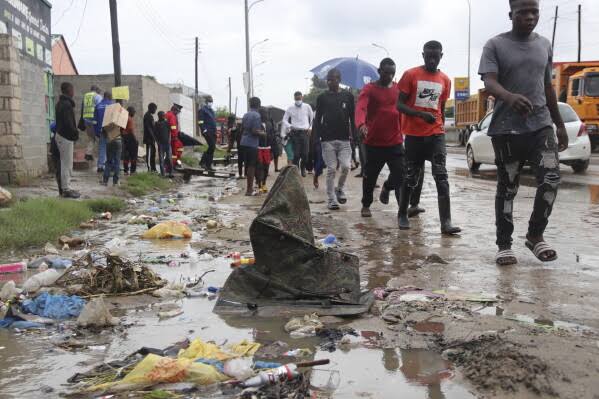
Lusaka currently has the largest number of reported cases, with 130 cases, including 39 confirmed infections. Four deaths have been recorded, 94 patients have been discharged and 32 are still receiving treatment.
Chibombo follows closely with 109 cases, including 11 confirmed cases. The district has recorded four community deaths, while 95 people have been discharged and 10 remain under treatment.
The Mwanjuni catchment area around 10 Miles has been identified as a major area of concern in Chibombo.
Smaller numbers have been reported in Chongwe, Nsama, Chiengi, Chilanga and Chikankata.
The outbreak was first detected in August. The index case was identified on August 13 after Vibrio cholerae was confirmed in a patient who had travelled from Chibombo and was admitted to Apollo Mini Hospital in Lusaka.
The response is now moving into communities
The Ministry says health teams are carrying out active case finding, laboratory testing and household visits in affected areas.
The response includes distributing chlorine, testing water sources, super-chlorinating shallow wells and disinfecting affected areas.
Oral rehydration points and treatment services have also been established, while Government is assessing whether reactive oral cholera vaccination will be necessary.
For households, the basic message remains familiar but important: water and hygiene matter.
The Ministry is urging people to drink only safe, chlorinated or boiled water, wash their hands properly, use toilets or latrines and cook food thoroughly.
Anyone experiencing profuse watery diarrhoea, vomiting or signs of dehydration should seek medical attention immediately and start oral rehydration while making arrangements to reach a health facility.
Why the community deaths matter
Cholera can cause severe dehydration very quickly. That makes the time between the first symptoms and treatment particularly important.
With eight of the 11 deaths occurring outside health facilities, the outbreak is also becoming a question of how quickly people recognise symptoms, seek help and can access treatment.
The Ministry is asking communities to cooperate with health workers conducting investigations, household visits and water testing, while avoiding stigma against people and families affected by the disease.
For now, the outbreak is concentrated in seven districts. But with cases spread across five provinces, the response is already broader than a single-community health problem.
Source: Ministry of Health | 📸 MoH