By Kelvin Chisanga
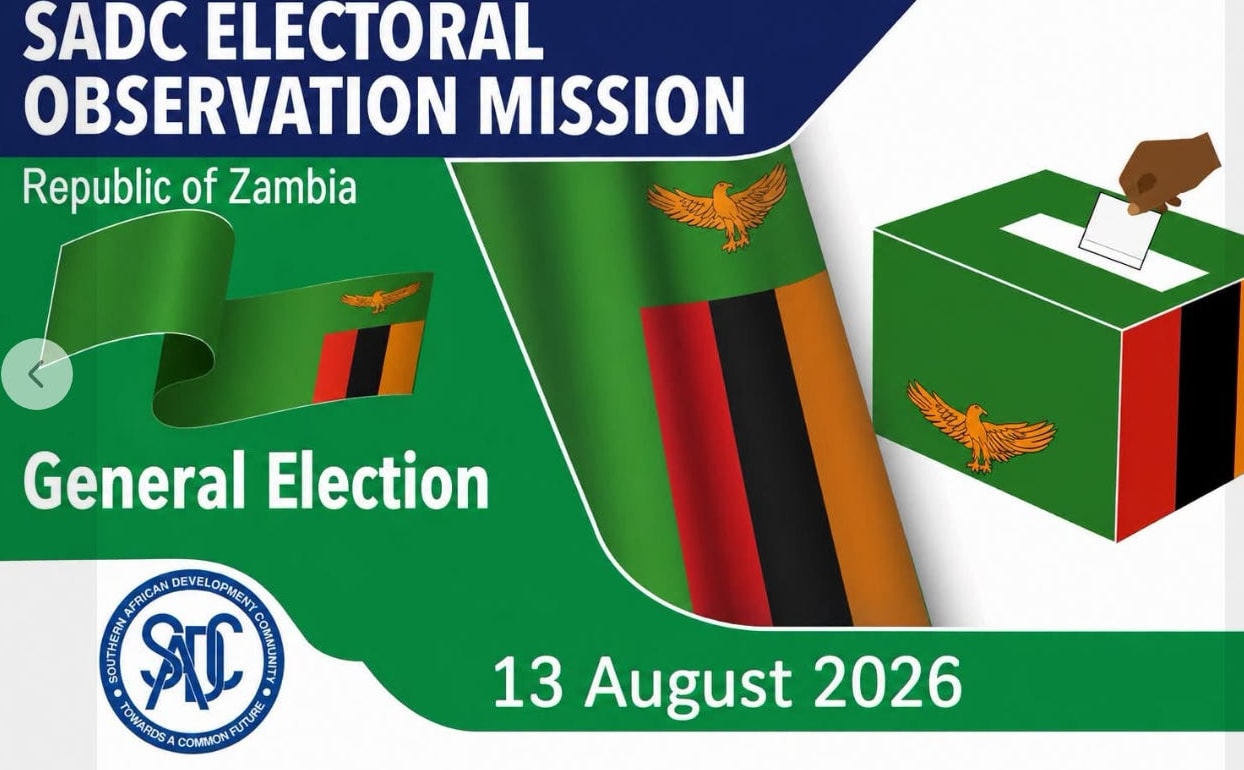
As Zambia goes to the polls tomorrow the 13th of August 2026, the country has become an important and critical electoral focal point for SADC among many others.
At this moment, Zambia is the only SADC country conducting its national electoral process, placing the country under significant regional and international attention.
With approximately 8.8 million registered voters, 14 presidential candidates, 10 provinces and 226 constituencies, this is a major democratic exercise with considerable regional significance.
Zambia has 35 years of multiparty democracy since 1991, while the peaceful transfer of presidential power in 2021 strengthened its reputation for democratic resilience.
However, the 2026 election is also a test of institutional independence, political competition, electoral credibility and public confidence.
The deployment of a SADC Electoral Observation Mission further demonstrates the regional importance of the election. The electoral process will be assessed before, during and after polling.
Economically, Zambia enters this particular election with a stronger macroeconomic position, recording 7.7% GDP growth in Q1 2026 while inflation has eased to approximately 6.5%, following years of debt distress and restructuring.
My assessment is that Zambia’s challenge is no longer simply to conduct an election, but to demonstrate that democratic governance, political stability and economic transformation can reinforce one another.
A peaceful, credible and broadly accepted election would strengthen Zambia’s democratic standing, investor confidence and regional influence.
Zambia is therefore not merely going to the polls; it is demonstrating its democratic governance and economic resilience before SADC and the wider international community.